
_edited.png)
_edited.png)

.png)


Enhance Instrument Performance with Calibration and Repair
- shaheer667
- Nov 17, 2025
- 3 min read
Instruments play a crucial role in various industries, from manufacturing to healthcare. Their accuracy and reliability directly impact the quality of work and safety standards. Over time, instruments can drift from their original settings or develop faults, leading to inaccurate measurements and potential operational issues. To maintain peak performance, repair services for calibration are essential. This blog post explores how calibration and repair can enhance instrument performance, ensuring precision and longevity.
Why Repair Services for Calibration Are Essential
Calibration is the process of adjusting an instrument to match a known standard. However, calibration alone is not always enough. Instruments may suffer from wear and tear, environmental damage, or internal component failure. Repair services for calibration address these issues by fixing or replacing faulty parts before recalibrating the instrument.
For example, a pressure gauge used in a manufacturing plant might develop leaks or mechanical faults. Simply calibrating it without repairing the leaks will not restore its accuracy. Repair services ensure the instrument is in good working condition, allowing calibration to be effective.
Key benefits of repair services for calibration include:
Restoring instrument accuracy and reliability
Extending the lifespan of expensive equipment
Reducing downtime caused by faulty instruments
Ensuring compliance with industry standards and regulations

How Calibration and Repair Services Improve Instrument Accuracy
Calibration adjusts an instrument’s output to align with a reference standard. However, if the instrument has internal damage or worn components, calibration results may be inconsistent or unreliable. Repair services fix these underlying issues, allowing calibration to deliver precise results.
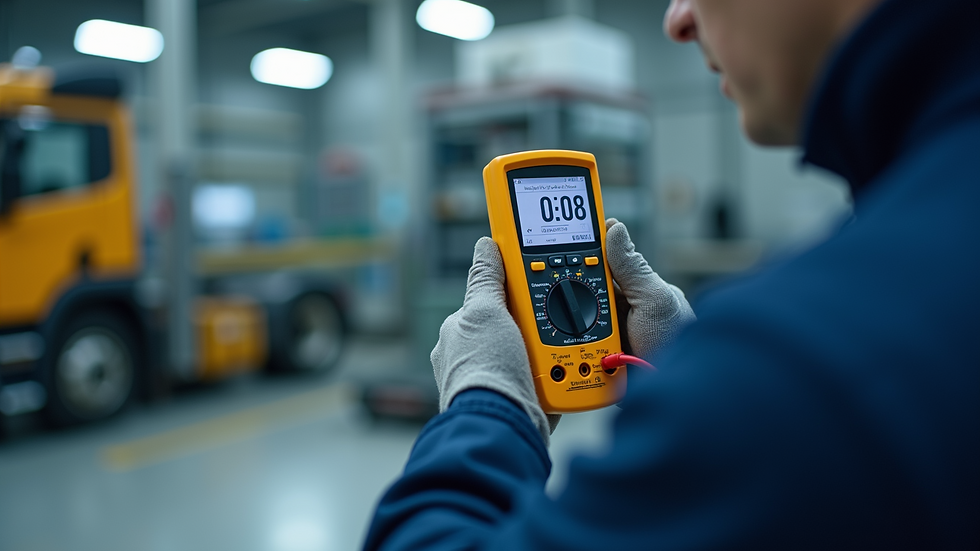
Consider a digital multimeter used in electrical testing. If the internal circuitry is damaged, calibration might show correct readings temporarily but fail under real conditions. Repairing the circuitry first ensures the multimeter functions correctly and calibration can be trusted.
Steps involved in combining repair and calibration:
Initial inspection - Identify visible damage or wear.
Functional testing - Check if the instrument operates within expected parameters.
Repair - Replace or fix faulty components.
Calibration - Adjust the instrument to match standards.
Verification - Confirm the instrument meets accuracy requirements.
This process guarantees that instruments perform optimally and provide reliable data.
Common Instruments That Benefit from Repair Services for Calibration
Many types of instruments require both repair and calibration to maintain performance. Some common examples include:
Pressure gauges - Susceptible to leaks and mechanical wear.
Thermometers and temperature sensors - Can drift due to sensor degradation.
Flow meters - May clog or suffer mechanical damage.
Electrical testers and multimeters - Internal circuitry can fail or degrade.
Weighing scales - Mechanical parts and load cells can wear out.
Each instrument type has unique repair needs, but the goal remains the same: restore functionality so calibration can be accurate.
Practical Tips for Maintaining Instrument Performance
To maximize the benefits of repair services for calibration, consider these practical tips:
Schedule regular maintenance - Preventive maintenance helps identify issues early.
Use professional services - Certified technicians have the expertise and tools needed.
Keep detailed records - Document repairs and calibration results for traceability.
Handle instruments carefully - Avoid physical shocks and exposure to harsh environments.
Calibrate after repair - Always recalibrate instruments after any repair work.
By following these recommendations, you can ensure your instruments remain accurate and reliable over time.
Choosing the Right Calibration and Repair Services Provider
Selecting a reputable provider for calibration and repair services is critical. Look for companies that offer:
Certified technicians with industry experience
Traceable calibration standards compliant with international norms
Comprehensive repair capabilities for various instrument types
Fast turnaround times to minimize downtime
Transparent pricing and documentation
For example, calibration and repair services from trusted providers ensure your instruments receive expert care and precise calibration.
Maximizing Instrument Lifespan and Performance
Regular repair and calibration not only improve accuracy but also extend the life of your instruments. Instruments that are well-maintained experience fewer breakdowns and deliver consistent results, which is vital for operational efficiency and safety.
Investing in professional repair services for calibration can save costs in the long run by avoiding premature replacements and costly errors caused by inaccurate measurements.
Maintaining instrument performance through repair and calibration is a smart strategy for any operation relying on precise measurements. By understanding the importance of repair services for calibration and choosing the right provider, you can ensure your instruments deliver reliable data and support your business goals effectively.


Comments