05 May, 2026
Optical and Fiber Optic Calibration: The Foundatio




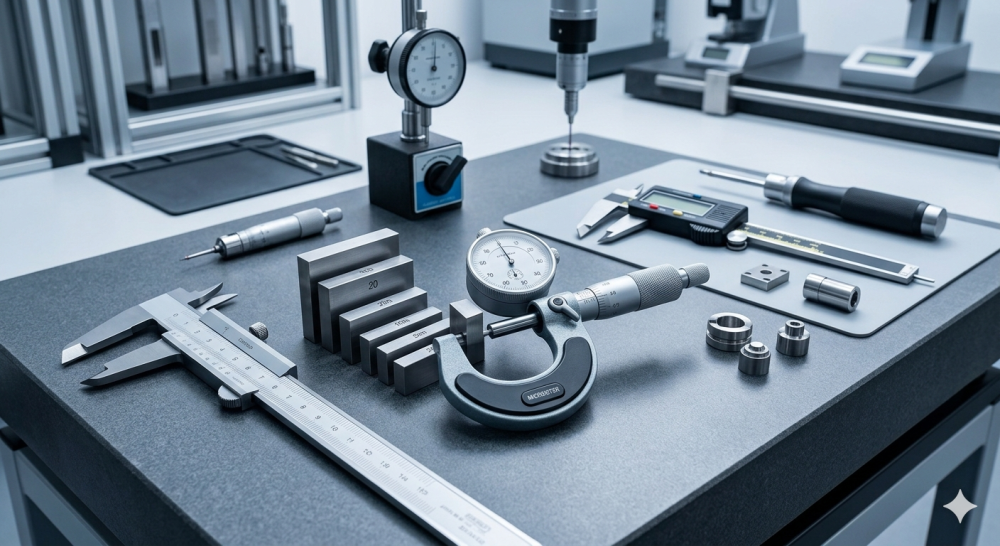
In industrial environments across Qatar — from oil and gas facilities to manufacturing plants and construction sites — mechanical instruments are at the heart of daily operations. Torque wrenches, pressure gauges, load cells, and flow meters are used constantly to make critical decisions. But how often do we stop to ask: are these instruments still giving us accurate readings?
What Is Mechanical Calibration?
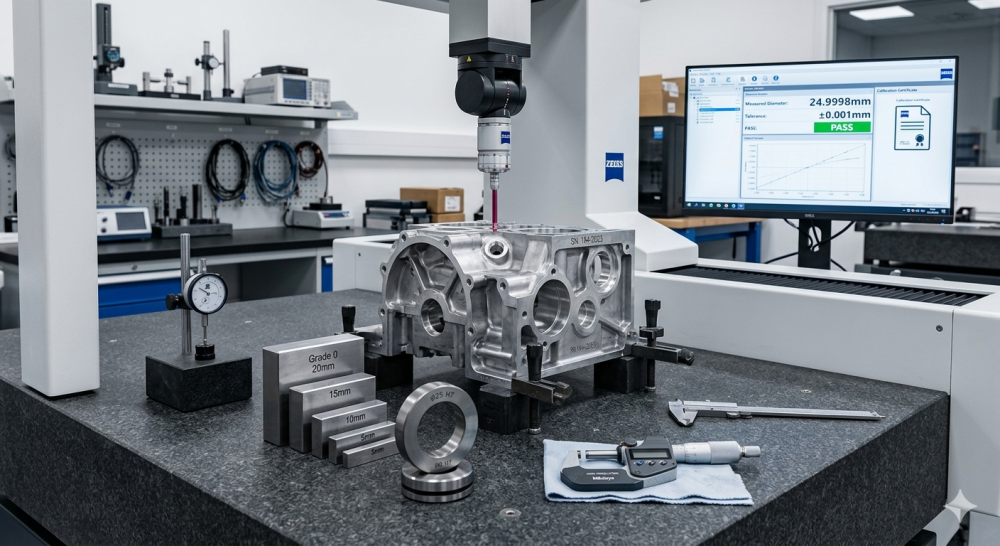
Mechanical calibration is the process of comparing a mechanical instrument's readings against a known reference standard to determine and correct any measurement errors. Over time, mechanical instruments drift from their original settings due to wear, physical stress, environmental conditions, and general use. Without regular calibration, these instruments can provide inaccurate readings — leading to faulty decisions, unsafe conditions, and failed quality audits.
Common Mechanical Instruments That Require Calibration
Mechanical calibration covers a wide range of instrument types:
Torque Wrenches and Torque Tools
Used extensively in assembly, maintenance and structural work, torque wrenches must be calibrated regularly to ensure bolts and fasteners are tightened to the exact specification. Under-torqued joints can fail; over-torqued joints can strip threads or crack components.
Pressure Gauges and Manometers
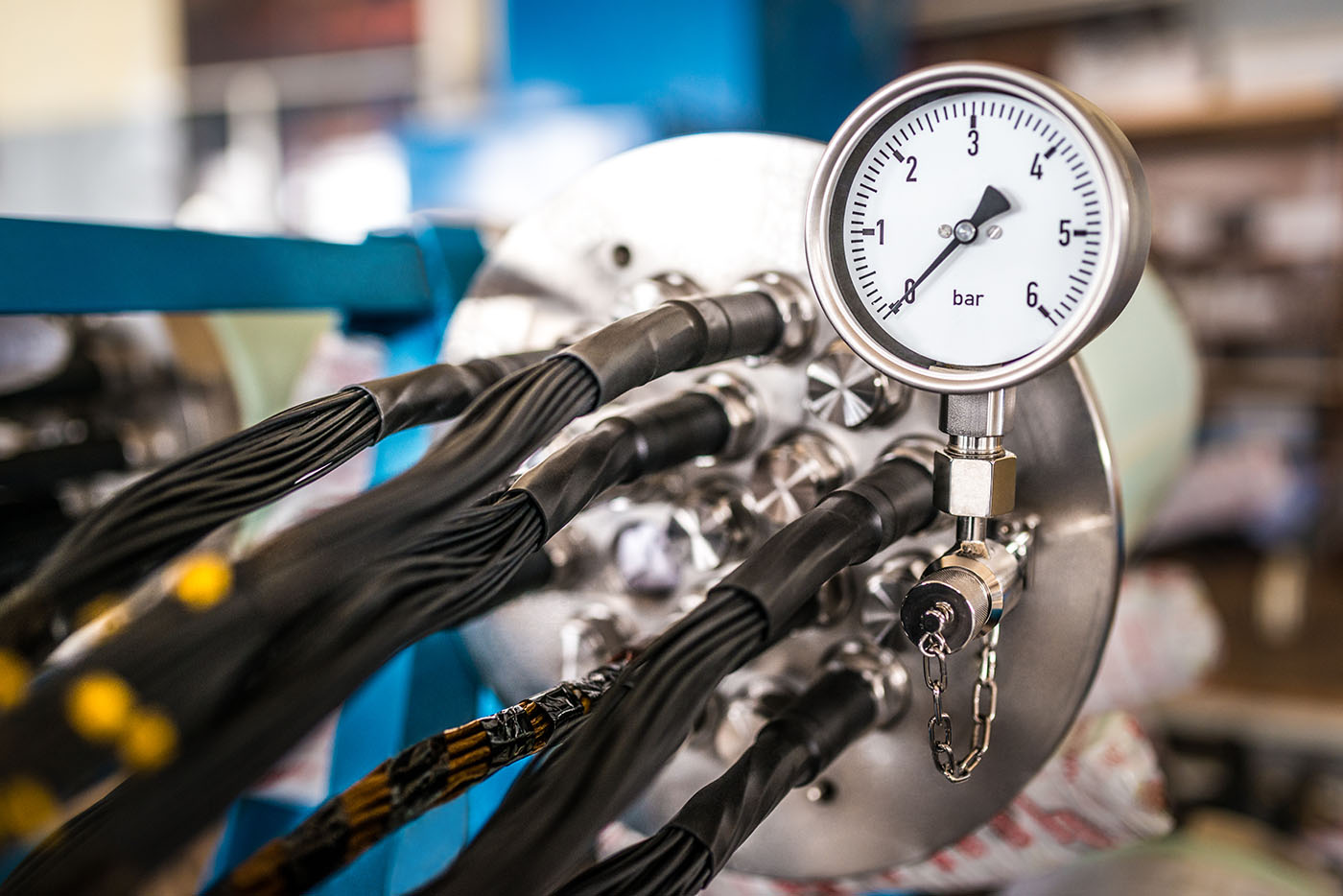
Pressure gauges are among the most widely used instruments in oil and gas, water systems, HVAC and manufacturing. A gauge that reads 10 bar when the actual pressure is 11 bar is not just inaccurate — it is a safety hazard.
Load Cells and Force Gauges
Load cells measure force in compression and tension. They are used in weighing systems, material testing, crane load monitoring and structural testing. Calibration ensures that the forces being measured reflect reality, protecting both equipment and people.
Flow Meters and Anemometers
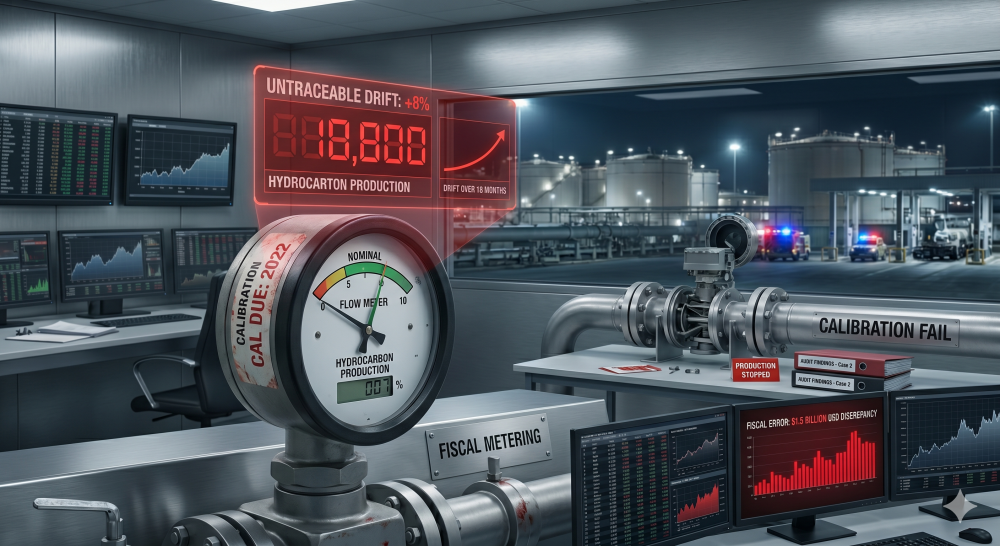
Air velocity and flow measurement are critical in HVAC systems, cleanrooms, laboratories and industrial processes. A flow meter that reads low may cause a process to under-dose a chemical or allow contamination to pass through a filtration system.
The Consequences of Skipping Mechanical Calibration
The consequences of using uncalibrated mechanical instruments range from minor quality issues to serious safety incidents. In Qatar's heavily regulated oil and gas sector, an out-of-specification pressure reading could trigger unnecessary shutdowns — or worse, fail to detect a dangerous overpressure condition. In construction, an uncalibrated torque wrench used on structural bolts can compromise the integrity of a building or bridge. Beyond safety, uncalibrated instruments lead to failed audits, non-conformances under ISO 9001 or ISO 17025, and costly rework.
How Often Should Mechanical Instruments Be Calibrated?
There is no single answer — calibration frequency depends on the instrument type, how frequently it is used, the operating environment and the consequences of inaccuracy. As a general guide:
Torque wrenches
Every 5,000 cycles or once per year, whichever comes first
Pressure gauges
Annually for standard use; every 6 months in critical applications
Load cells
Annually or after any overload event
Flow meters
Annually or following any maintenance or repair
A2LA Accredited Mechanical Calibration in Qatar
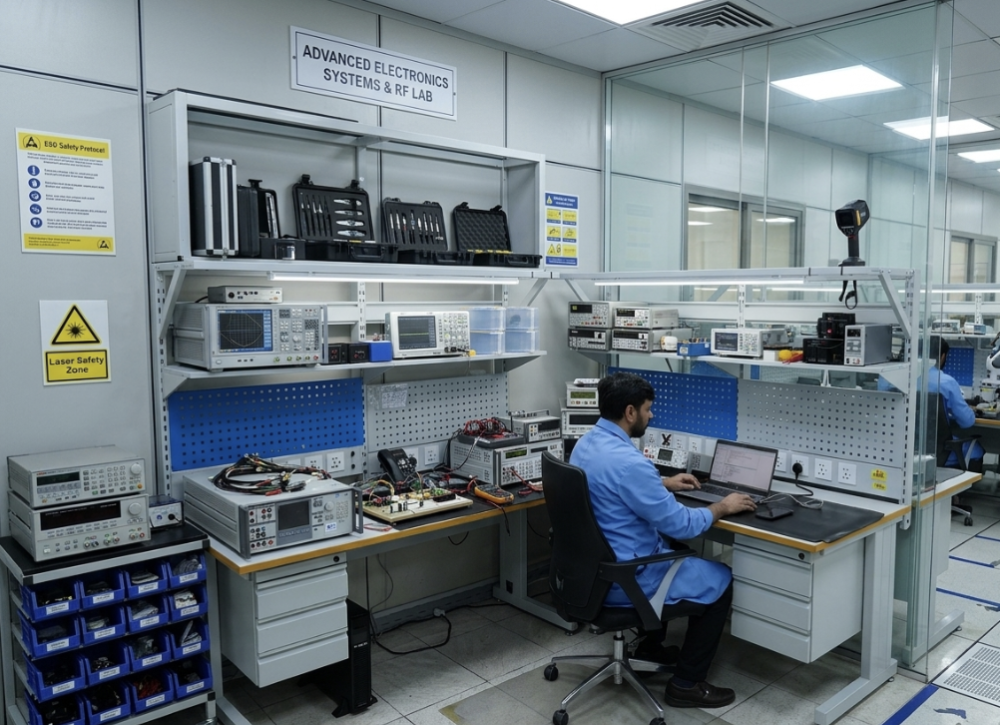
At Vertex Calibration, our mechanical calibration services are accredited by A2LA (American Association for Laboratory Accreditation) under ISO/IEC 17025:2017 — the internationally recognised standard for calibration laboratory competence. This means every calibration certificate we issue is traceable to national and international measurement standards, giving you the confidence that your instruments are truly accurate. We calibrate torque tools from 0 to 1500 N.m, compression and tension load cells, pressure instruments up to 1000 bar, air velocity and flow meters, sound level meters and a wide range of related mechanical instruments — both in our laboratory in Nuaija, Doha, and on-site at your facility across Qatar.
Conclusion
Mechanical calibration is not a bureaucratic checkbox — it is a fundamental part of operating safely, efficiently and in compliance with international standards. If your mechanical instruments have not been calibrated recently, or if you are unsure of their calibration status, contact Vertex Calibration today for a consultation.
© Copyright 2026 -Vertex. All Right Reserved
Made with by Weblanza